
ICRC Scientists Join Forces with South Korea to Tackle Deadly Pancreatic Cancer
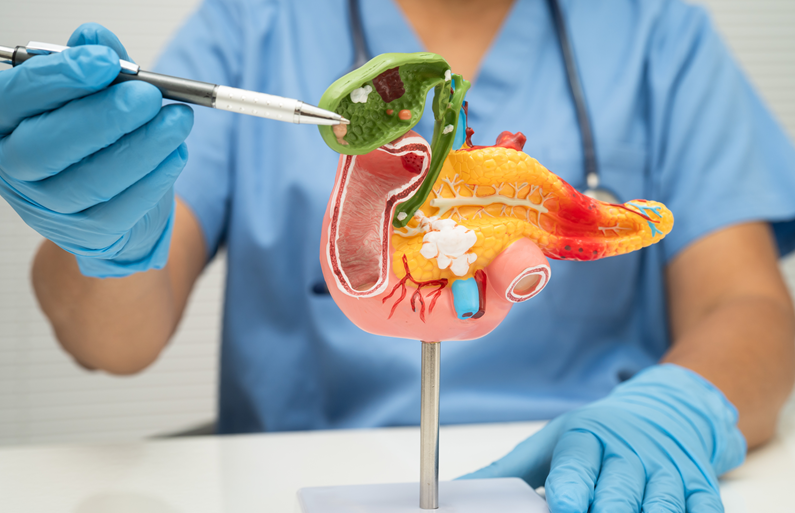
ICRC, a joint workplace of St. Anne’s University Hospital in Brno and the Faculty of Medicine at Masaryk University, is launching an international research collaboration with Gyeongsang National University in South Korea. The project will focus on understanding the mechanisms that lead to fibrosis formation within tumors. Scientists will also investigate how new nanomedicines affect different types of cancer cells.
Pancreatic cancer is among the most serious malignancies, primarily because it develops for a long time without noticeable symptoms and is often diagnosed only at an advanced stage. Moreover, it rapidly forms metastases, and the fibrotic tumor environment hinders the effectiveness of treatments. It is precisely this tumor fibrosis that scientists from the International Clinical Research Center (ICRC), together with Gyeongsang National University in South Korea, will now focus on. The collaboration will combine biological research with cutting-edge nanomaterial technologies and provide researchers from both institutions access to unique laboratory facilities.
The research project will integrate multiple disciplines, from molecular signaling to models that mimic real tumor tissue. “Tumor fibrosis, the process in which excessive connective tissue accumulates, is one of the main reasons why pancreatic cancer is so difficult to treat,” explains Dr. Marco Cassani, Senior Scientist of the ICRC Mechanobiology of Disease team. “We will focus on the dynamic interactions between tumor cells, fibroblasts, and the extracellular environment,” he adds.
“We want to develop realistic laboratory models of pancreatic cancer cell cultures on which new treatment approaches can be tested,” he continues. “For the analysis of cells and molecules, we will use advanced imaging and laboratory techniques,” adds Cassani.
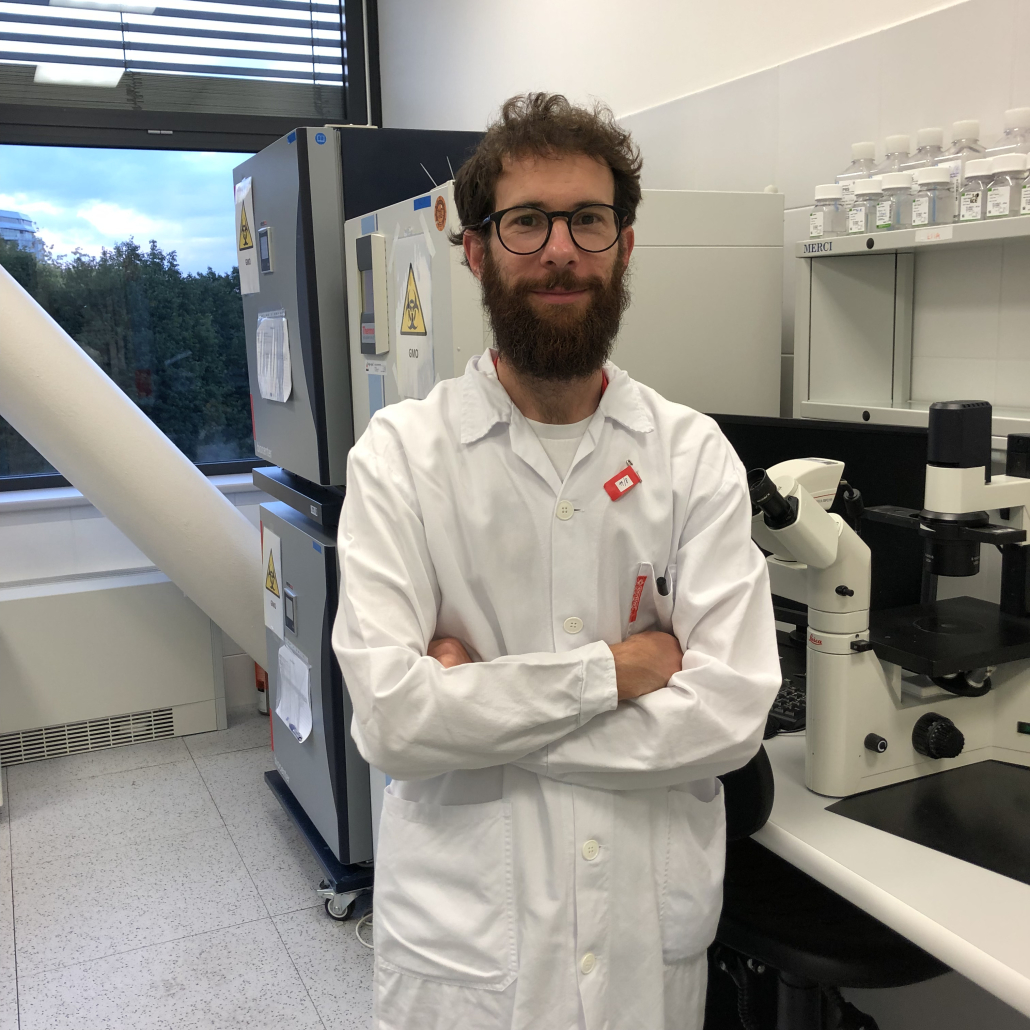
Dr. Marco Cassani is a Senior Scientist at the International Clinical Research Center (ICRC), a joint workplace of St. Anne’s University Hospital and the Faculty of Medicine at Masaryk University.
“Creating a laboratory replica of pancreatic tumors and interpreting multidimensional biological data across various experimental levels will certainly not be an easy task, but we hope that our work will advance not only the fundamental understanding of pancreatic cancer but also provide more accurate experimental models for further research,” Cassani adds.
As part of the experimental research, scientists from Brno and South Korea plan to explore the potential of treating tumors using nanoparticles. These are extremely small particles, much smaller than a human cell, and in anti-cancer therapy they are primarily investigated as carriers that can support the delivery of chemotherapeutic agents or other tumor-targeting substances.
Nanoparticles are playing an increasingly important role in modern oncology research. By enabling more controlled and localized delivery of therapeutic compounds, they may help improve the effectiveness of existing chemotherapy treatments while at the same time contributing to a reduction in unwanted side effects. “Damage to healthy cells and other adverse effects, such as hair loss, nausea, and vomiting, can potentially be minimized,” explains Dr. Marco Cassani. “In addition, nanoparticles allow the therapeutic agent to be released in a more controlled manner, which is particularly important in complex tumor environments.”
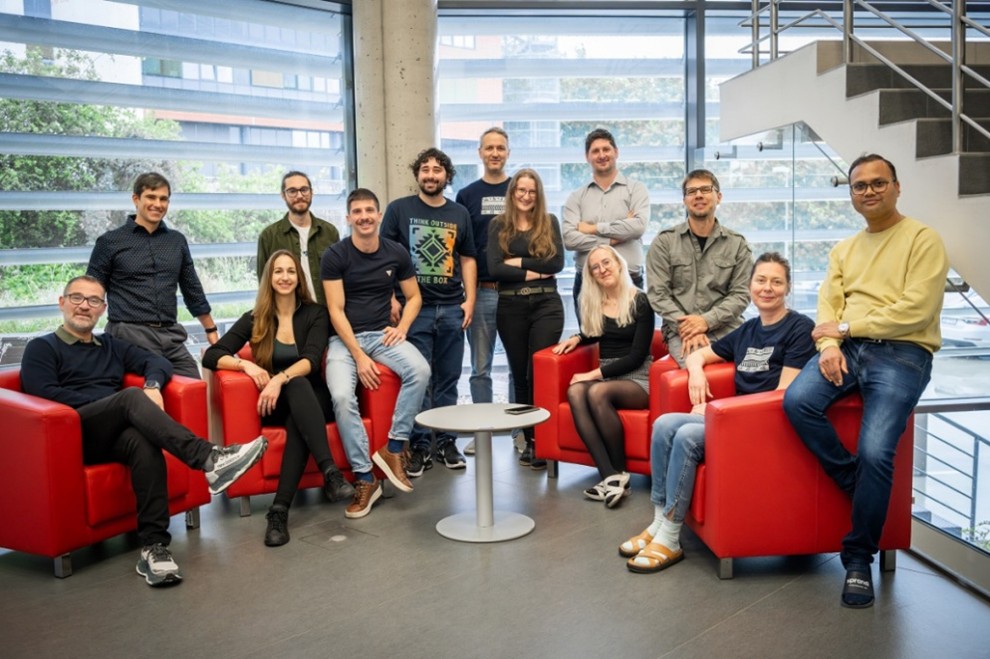
The ICRC Mechanobiology of Disease research group led by Dr. Giancarlo Forte (1st from the left)
The nanoparticles, which will be studied in the Brno–Korea research project for delivering therapeutic agents directly into the tumor, will be composed of multiple materials – metal and phenols. This will allow scientists to combine the necessary properties: mechanical stability and chemical reactivity. “We hope that by integrating nanomedicine approaches with advanced mechanobiology, we will be able to identify new treatment strategies that complement existing therapies,” concludes Cassani.
martina.kopecka@fnusa.cz