
ICRC scientists learn to synthesize nanomaterials at a South Korean university. In Brno, they will test how to use them to effectively deliver treatment to pancreatic cancer cells
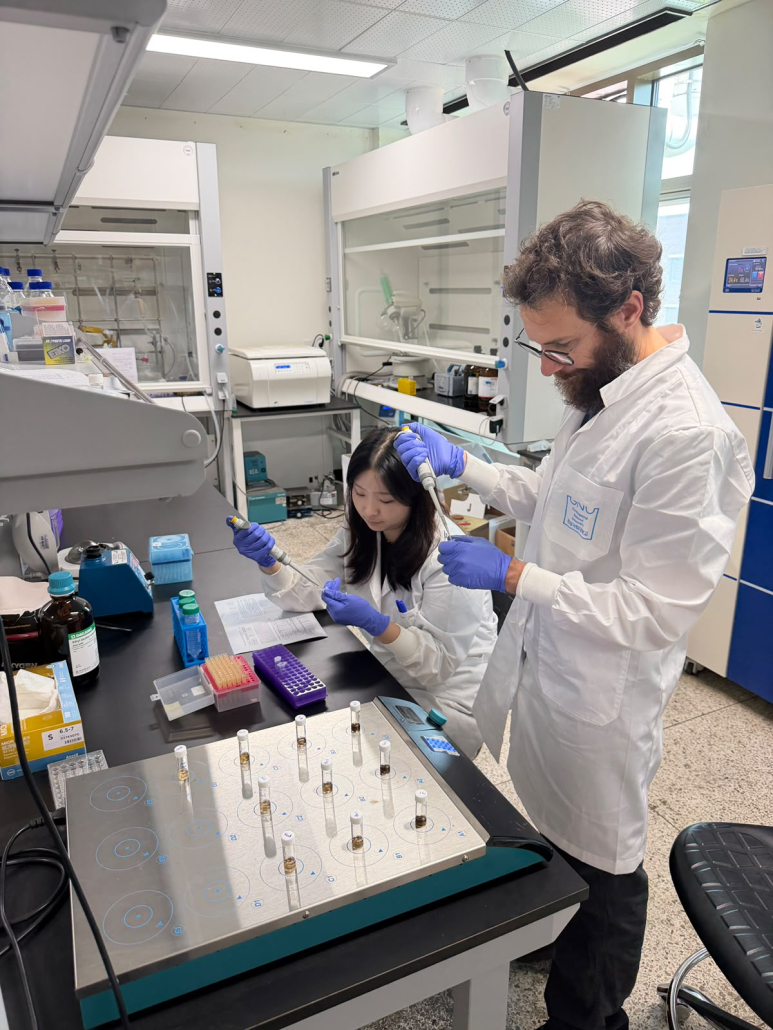
How can therapeutic agents be delivered as effectively as possible directly to cancer cells? This is the question that researchers from the International Clinical Research Center (ICRC) are seeking to answer. As part of the international collaboration, one member of the team visited Gyeongsang National University in South Korea, where he gained practical experience in the synthesis and preparation of advanced nanomaterials. The team will now further characterize and test these materials in biological models focused on pancreatic cancer.
The main field of Marco Cassani´s research is mechanobiology of tumor disease
Researchers from the International Clinical Research Center (ICRC), in collaboration with a South Korean university, are working on the development of new approaches that could potentially contribute to the treatment of pancreatic cancer in the future. Gyeongsang National University is developing advanced bio-functional nanomaterials for nucleic acid delivery. Marco Cassani, principal investigator of the ICRC Mechanobiology of Disease team, brought this expertise back from South Korea.
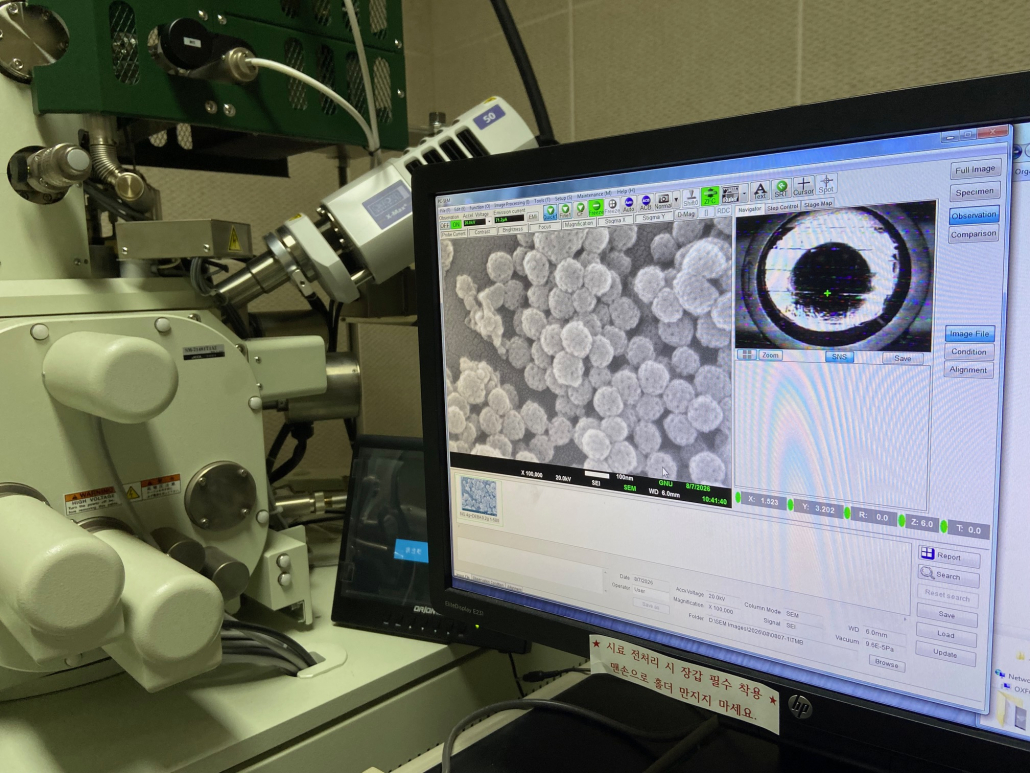
“The main objective of the visit, in addition to strengthening the collaboration, was to acquire practical knowledge of the synthesis and preparation of nanomaterials that will subsequently be investigated in biological models developed at St. Anne’s University Hospital in Brno,” explains Marco Cassani.
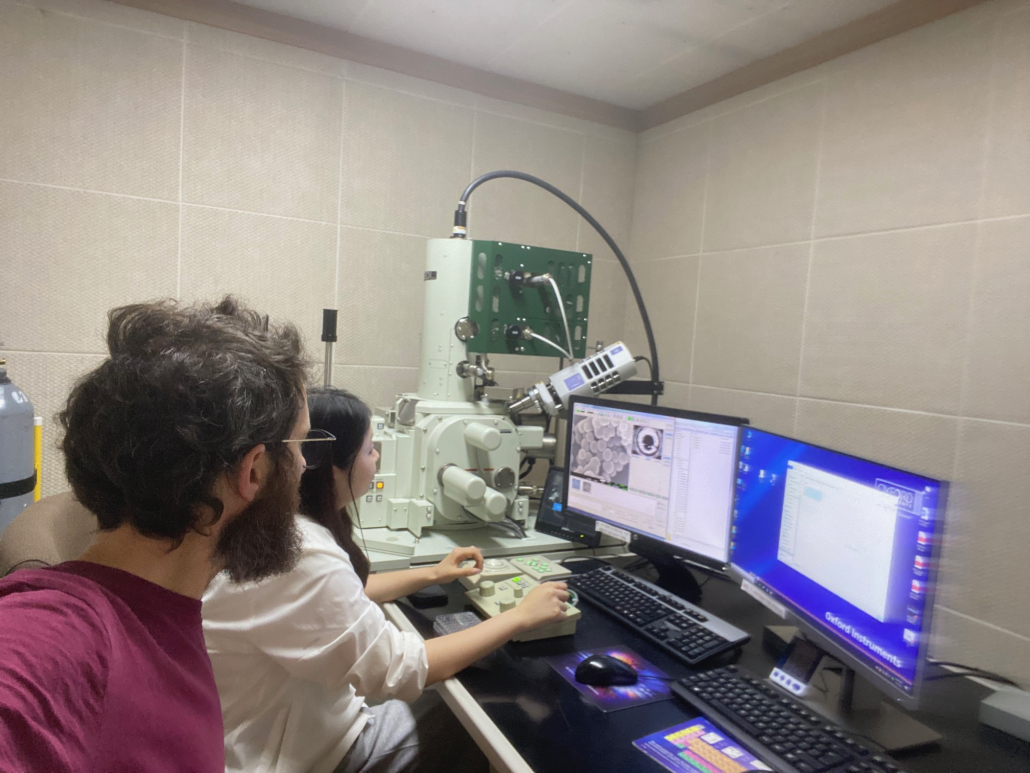
Together with the South Korean scientists, the team discussed the experimental strategy, defined the requirements for the nanomaterials to be developed within the project, and discussed the workflow for their subsequent biological characterization and therapeutic evaluation.
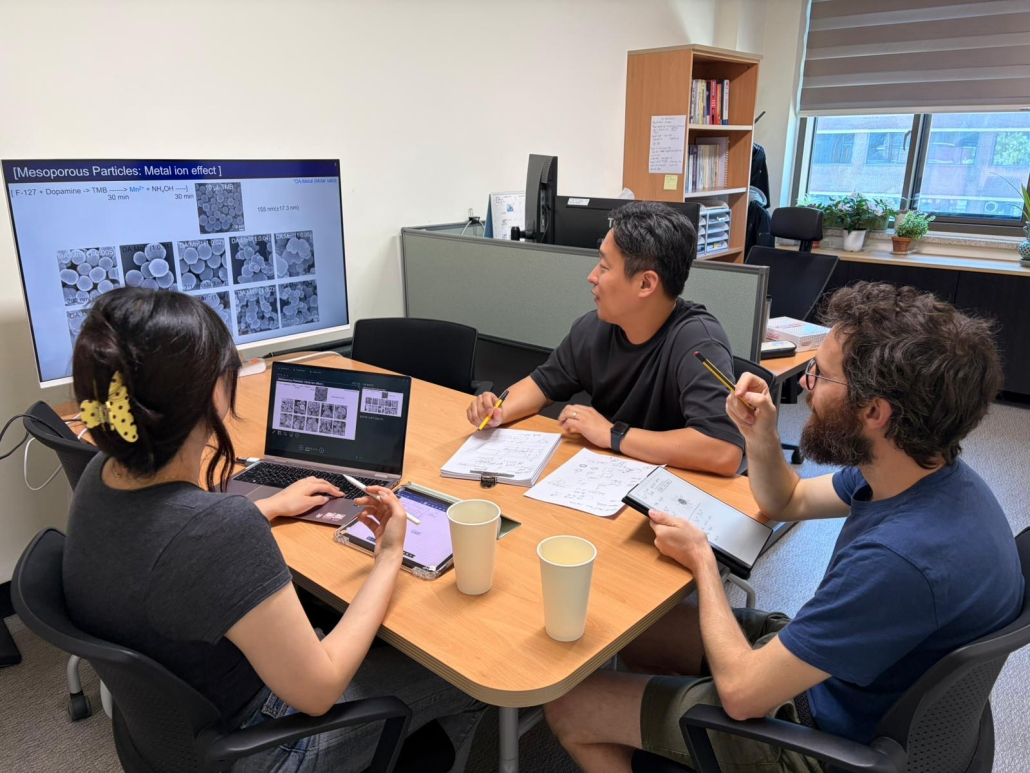
“We worked in the laboratories with Prof. Chan-Jin Kim and his research group. The discussions focused on the design and preparation of nanomaterial platforms, particularly the synthesis of metal–phenolic and related functional nanomaterial systems and their application for nucleic acid delivery,” continues Marco Cassani.
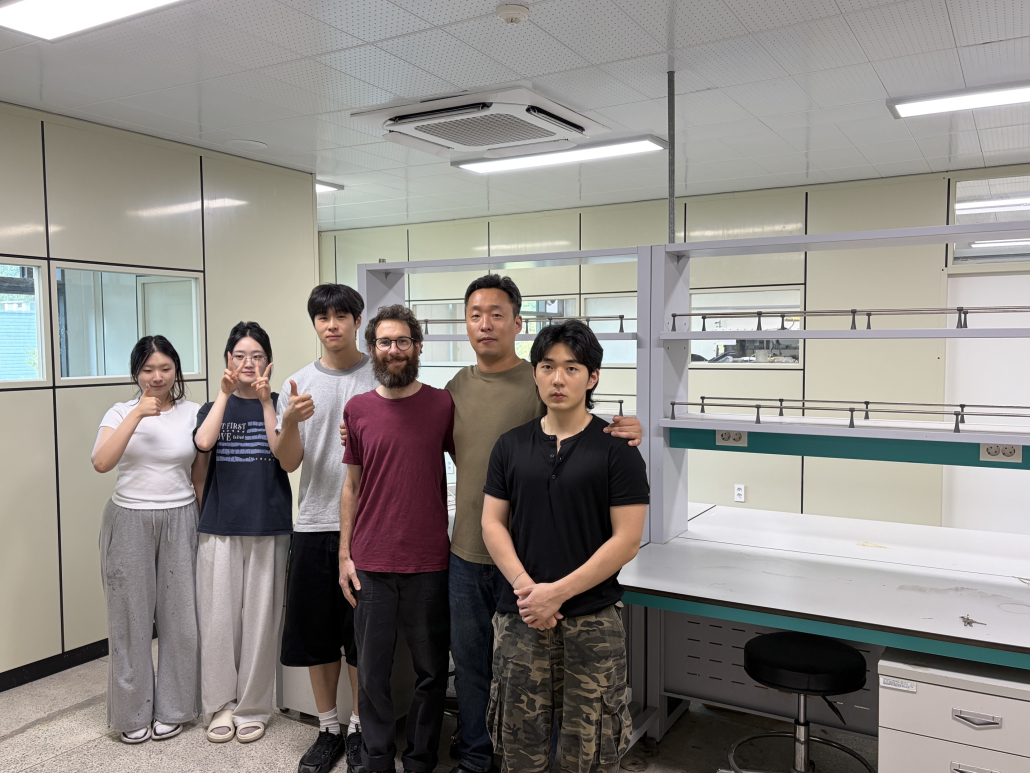
The visit included practical training focused on the principles and experimental procedures involved in the preparation of nanomaterials, including the selection of building blocks, control of physicochemical properties, assembly of nanomaterial structures, and incorporation of biomolecular cargo. “Particular attention was given to the parameters affecting the reproducibility and consistency of the synthesis, as these aspects are essential for the subsequent comparison of different formulations and their biological effects. The project specifically involves the development of a modular synthetic toolbox, optimization of the physicochemical properties of the carriers, and investigation of their biomolecule loading and release behaviour,” he explains.
The newly acquired knowledge will now be used by the Brno-based team in the preparation and testing of nanomaterials in their laboratory, where the researchers will investigate their ability to deliver therapeutic agents to pancreatic cancer cells.