
ICRC Scientists Develop AI Tool to Help Cardiologists Treat Atrial Fibrillation, Potentially Cutting Surgeries by One Third
Around half a million people in the Czech Republic suffer from one of the most common heart arrhythmias, atrial fibrillation. A research project led by Jakub Hejč at ICRC focuses on personalizing treatment and reducing the likelihood of recurrence. In addition to improving patients’ quality of life, the AI tool is expected to lower the number of repeat surgeries. To train the AI, scientists use 3D models of patients’ atria provided by doctors at St. Anne’s University Hospital in Brno. Funding for the necessary equipment has been supplied by the IOCB Tech Foundation.

Jakub Hejč (International Clinical Research Center)
Atrial fibrillation is one of the most common heart rhythm disorders, associated with a significantly increased risk of serious complications, including stroke, heart failure, and premature death. It poses a substantial burden on healthcare systems, not only in terms of long-term treatment, patient monitoring, and complication prevention, but also due to the high costs of hospitalizations.
“Untreated atrial fibrillation can be potentially very dangerous, leading to stroke or manifesting as heart failure. It is therefore crucial to recognize it as early as possible, before such complications occur,” explains Hejč.
His project uses artificial intelligence to analyze 3D models of the atria, known as electroanatomical maps. The research is expected to have a direct impact on hospital clinical practice. The newly developed tool aims to identify new bioelectrical markers in these maps, helping cardiologists pinpoint specific areas in the atria that may be responsible for disease recurrence. “The tool will help doctors personalize treatment and reduce the number of repeat procedures by approximately one third,” says Jakub Hejč.
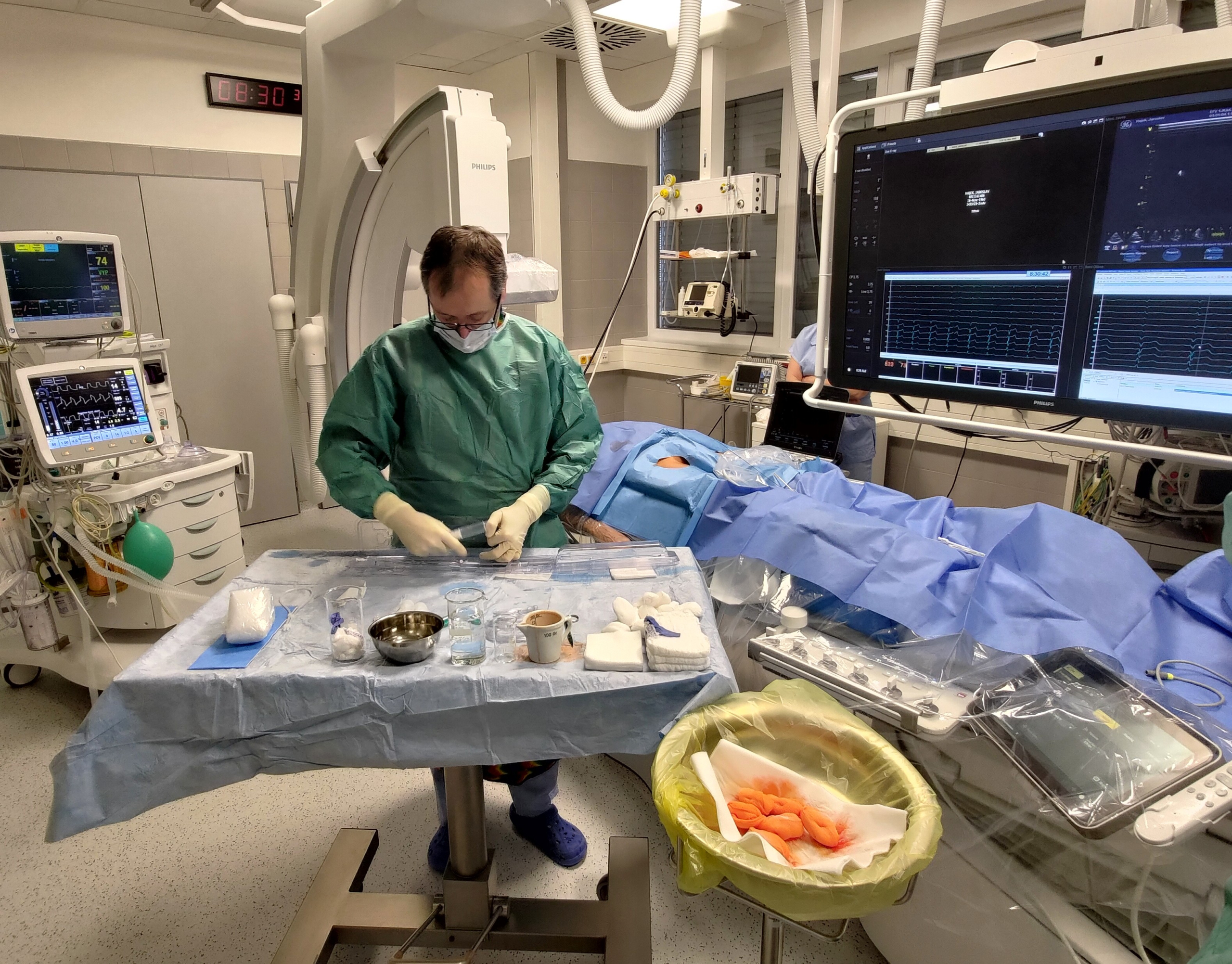
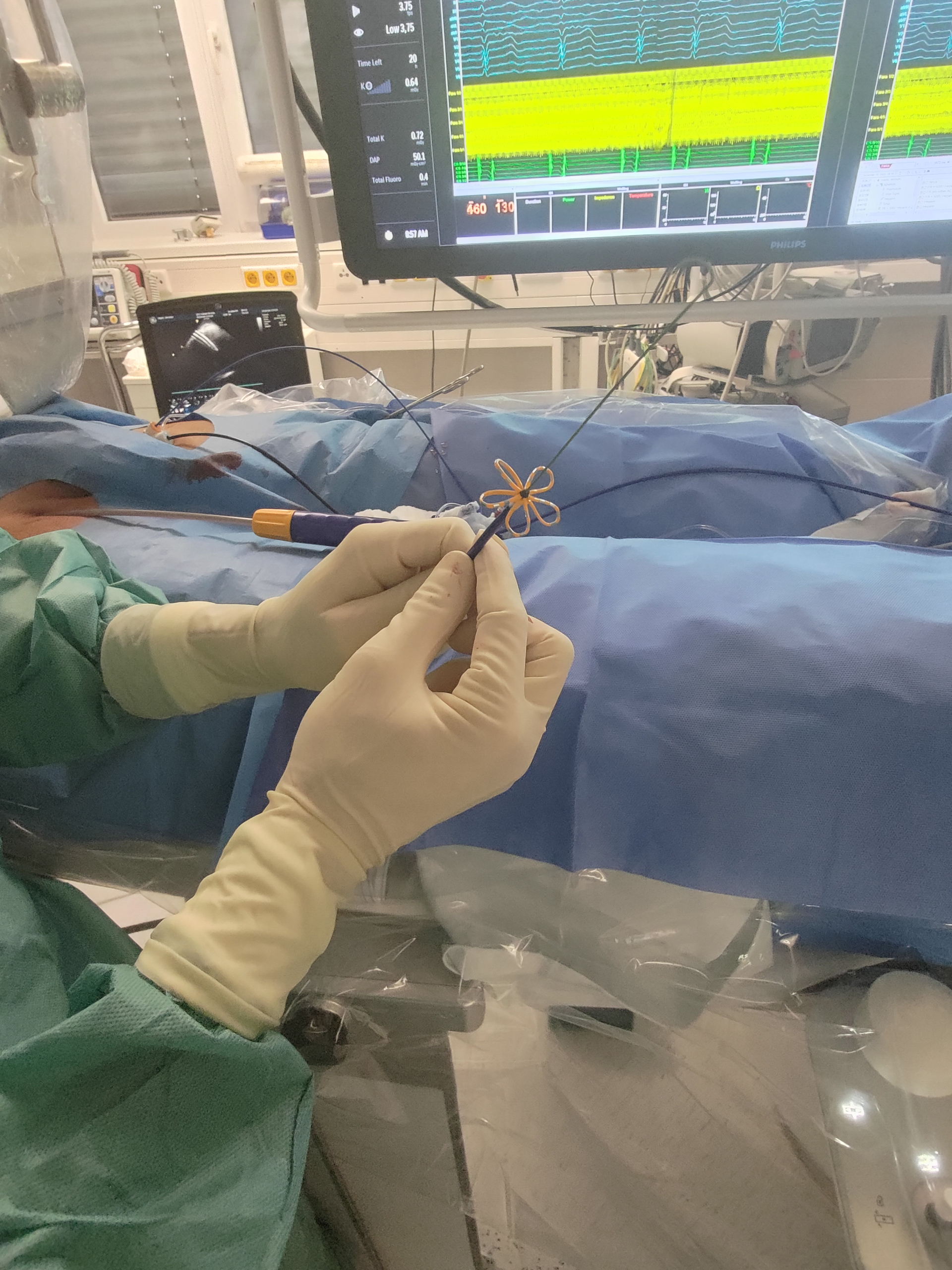
Atrial fibrillation is most commonly treated with catheter ablation, a minimally invasive procedure in which a small area of heart tissue causing irregular rhythm is removed via a venous catheter, restoring normal heart activity.
The research has now reached a stage revealing an urgent technical need. Processing the vast amount of data required computational power beyond the standard capabilities of clinical facilities, which could not have been anticipated at the start. To address this challenge, the IOCB Tech Foundation provided support, accelerating the transfer of the AI software into practice. “The grant allows us to immediately cover the costs of the necessary computing stations and continue our research without delay. We are therefore extremely grateful to the foundation,” adds Hejč.
“The Czech grant system is in many ways rigid and often requires researchers to plan finances in detail several years in advance. If they suddenly need additional experiments or new equipment, research can be delayed. That is why we launched a pilot program this year to provide fast and flexible financial support to projects that have a direct impact on clinical practice and cannot afford such delays. These contributions allow researchers to continue without unnecessary interruptions and bring their findings to patients as quickly as possible. We are very pleased to have been able to support Dr. Hejč’s project,” adds Dušan Brinzanik, Director of the IOCB Tech Foundation.